A young man leaves his village in Gulu after hearing about a 'good job' in Kampala. His family expects phone calls, school fees for siblings, and maybe a new solar panel. Months pass. The calls stop. No money comes. No one knows where he is.
Stories like this are becoming common. Modern slavery is not chains and slave markets like in history books. Today, it is hidden in homes, farms, streets, and even across borders. It thrives when people are desperate, silent, or misled.
Simple Definitions Ugandans Can Understand: Modern slavery is when someone controls another person so strongly that the person cannot leave or say no. Human trafficking is the illegal trade or movement of people for exploitation—whether inside Uganda or across international borders. Forced labor is when someone is made to work through threats, lies, or abuse without freedom to walk away.
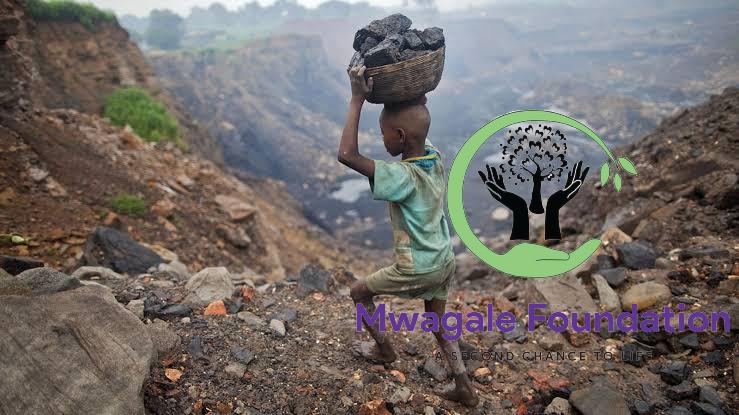
How These Crimes Look in Everyday Life: Imagine a child kept out of school to dig in fields all day, a domestic maid in Kampala whose phone and ID are seized and wages withheld, or boys carrying heavy mining loads in gold quarries without safety gear or pay. Fake overseas job offers in the Middle East or South Africa often strip workers of their passports upon arrival.
Why Ugandans Are at High Risk: Deep poverty, unemployment, family breakdown, conflict, gender inequality, and lack of education leave families open to deceptive recruitment. These factors explain why traffickers find victims in both rural villages and urban trading centers.
How Modern Slavery Affects Uganda: Beyond severe physical injuries and emotional trauma for victims, child labor deprives Uganda of future doctors, engineers, and teachers. Exploitative labor undercuts honest businesses, while reports of trafficking damage Uganda's international reputation.
Warning Signs to Watch For: Red flags include individuals whose ID or phone is held by another, people who are always watched, signs of physical fear or injury, receiving zero pay, working excessive hours without rest, and maid workers forbidden from leaving houses.
Staying Safe & Taking Action: Always verify job offers with licensed agencies, share travel plans with family, avoid traveling alone with strangers, and ask specific questions about salaries and contracts. Report suspicious activity to police child protection units, local councils, or Mwagale Foundation hotlines (+256 705 592 839).